Interview guide
50 Radio Interview Questions That Keep Listeners Listening
Use these radio interview questions to prepare a natural, listener-first conversation with an artist, creator, or community guest.
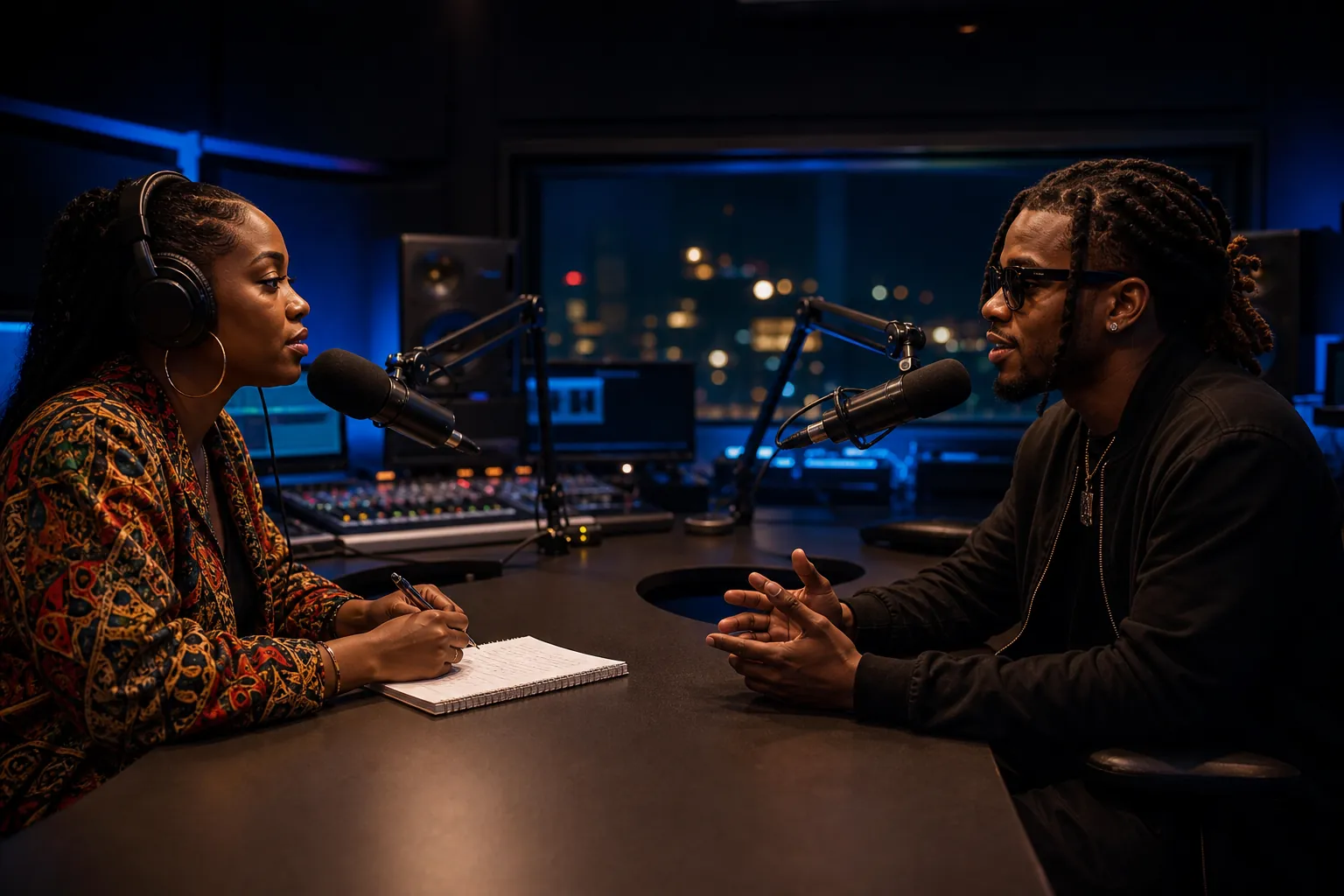
A radio interview is a live invitation. The listener needs to know who the guest is, why the conversation matters today, and what to lean in for, all before the next song or break arrives. The best questions do that without making the guest sound like they are reading a press release.
These radio interview questions are built for artists, creators, community guests, and anyone with a real story to share. Use them as a question map, not a script. Pick the prompts that fit the guest, prepare a few details about their work, then leave room for the answer that takes the conversation somewhere you did not plan.
Build the segment before you build the list
Radio moves quickly, so start by deciding what the listener should carry away. It might be the story behind a new release, a moment in the guest's journey, a local event, or an idea worth hearing in their own words. That single focus keeps a short interview from turning into a rushed biography.
Give the segment a simple shape: a welcome, a story, a useful detail, and a closing invitation. Radio.co's guide to planning radio interview questions makes the same practical point: a good conversation needs an opener, depth, and a close, not a random list. Bring extra questions, but expect a strong answer to change the order.

Questions that welcome the guest in
The first question should help listeners meet the person, not make them sit through a long introduction. A warm, specific opener gives a guest an easy first step and gives you something real to follow.
- What is the first thing you want people to understand about the work you are bringing today?
- What has your attention most right now?
- What part of your journey brought you to this moment?
- What do people often get wrong about what you do?
- Who or what made you believe this path was possible?
- What are you proud to have carried with you from the beginning?
- What would surprise a new listener about your process?
- What do you hope somebody hears differently after this conversation?
Keep the setup short. If the guest has a new song, project, show, or cause, name it once and ask a question that opens it up. Listeners can hear when a host is genuinely curious, and they can also hear when a long introduction is doing the guest's talking for them.
Questions about the story behind the work
Once the conversation is moving, ask for a scene, a decision, or a turning point. Specific questions bring listeners into the work without asking the guest to deliver a sales pitch.
- What was happening when this idea first showed up?
- What did the first version look or sound like?
- What changed most between the first idea and the finished work?
- What choice took longer than people might expect?
- Who helped you see the project more clearly?
- What did you have to leave out so the strongest part could land?
- Was there a moment when you knew the work had found its direction?
- What detail should people notice the next time they listen or look closely?
A question about one true detail works better than a broad question about inspiration. An artist can tell you about the lyric that changed, a producer can explain the moment a track found its pulse, and a community guest can describe the first person who said yes. Those are the moments that give a radio segment texture.
Questions that make room for listeners
Radio is not a private conversation. Every question should give a listener a way in, even if they are hearing the guest for the first time. Ask the guest to translate the work into a feeling, a memory, a choice, or a reason to care.
- What do you hope somebody feels when they hear this?
- What part of this story will feel familiar to people in your community?
- What did you learn that another person starting out could use?
- What is one small step people can take if this conversation speaks to them?
- What is a question you wish more people asked about this work?
- What do you want your supporters to know right now?
- What conversation are you hoping this starts?
- Where do you hope this work takes people next?
Do not mistake accessibility for simplicity. A clear question can still lead to a powerful answer. “What changed for you after that?” often gives a guest more room than a long, complicated prompt that asks three things at once.
Follow-ups that find the real answer
The question list gets you started. The follow-up is where a radio interview becomes memorable. When a guest uses a phrase with energy behind it, slow down. Ask what the room felt like, what happened next, or why that detail mattered. Poynter's interviewing basics highlights the value of open questions and patient listening, which matter just as much when the microphones are live.
- Can you take me back to that moment?
- What did that feel like in the room?
- What happened after that?
- What made you decide to keep going?
- Who was there when it changed?
- What did you notice that other people might have missed?
- Why did that choice matter to you?
- How did that experience show up in the work?
Follow-ups are not a way to trap somebody or push for a private detail. They are an invitation to clarify. The Society of Professional Journalists' Code of Ethics is a useful standard: be accurate, minimise harm, and treat people with dignity. If a guest does not want to go further, respect that boundary and move the conversation forward.

Questions for artists on live radio
For an artist conversation, stay close to the release and the story behind it. You do not need to understand every technical detail to ask a question that reveals the work. Ask about the moment a lyric arrived, what a sound was meant to do, who shaped the room, or what listeners should notice on a first play.
- What is the story behind this release that does not fit in the caption?
- Which moment on the project still means the most to you?
- What did you protect most while making it?
- What is one choice listeners may not hear on the first play?
- Who helped this piece become what it is?
- What part of your city or community lives inside this work?
- What has the response taught you so far?
- If somebody hears you for the first time today, where should they begin?
For more artist-specific prompts, the Journal's music interview question guide and producer interview guide help hosts take the conversation further into the record without losing the listener.
Close with a clear next step
A strong close gives listeners somewhere honest to go. Ask the guest to name the release, event, project, or person they want people to support, then make space for one final thought. A good closer is brief, specific, and connected to the conversation that came before it.
- What do you want people to do after they hear this?
- Where can listeners find the work or support the next step?
- What are you building toward now?
- Who deserves recognition alongside you?
- What would you like to say to the people who have been listening from the beginning?
- What should people keep an eye out for next?
- What is the one thought you want to leave with the audience?
- Where can people stay connected with you?
- What is one person or place you want to send love to before we wrap up?
- What would make this conversation worth sharing with someone else?
Live Wirez Radio Show is built around music, culture, and independent voices with something real to say. Explore the Live Wirez interview archive for the station's conversation-first approach, or listen live for more music and voices in rotation. Artists ready to share a release, story, or next move can also review artist opportunities.
Keep the pace friendly to the ear
What sounds clear on paper can feel rushed on air. Leave space after a question, especially when the guest has shared a personal memory, named a collaborator, or explained a creative choice. A short pause is not dead air when it gives an answer room to land. It also gives listeners a moment to follow the story before the next detail arrives.
Watch the clock without letting it flatten the conversation. If a guest's answer is opening up, use one precise follow-up instead of jumping to a different topic just because it is next on the page. If time is tight, move directly to the next useful section of the story and save the final minute for the close. A listener will remember the one complete thought more than five rushed questions.
Say names, titles, and release details clearly. Confirm the pronunciation before the microphone goes live, and keep the essential information nearby: the guest's name, the project name, any collaborators worth crediting, and the place listeners can find the work. That quiet preparation makes the host sound present, and it lets the guest feel respected from the first introduction through the last sign-off.
A quick radio interview checklist
Before the segment, listen or read enough to find three details that genuinely interest you. Choose one warm opener, two questions about the work, two possible follow-ups, and one clear closing question. Check the guest's name and the information they need listeners to hear. Then put the list aside enough to make eye contact, listen, and respond.
During the interview, ask one thing at a time. Keep the listener oriented by briefly naming the song, project, event, or idea when it matters. Notice the answer with the most energy and stay with it. If a question is no longer useful, skip it. The outline is there to protect the conversation, not to control it.
Afterward, thank the guest, make sure the audience knows the honest next step, and note what worked while it is fresh. Over time, those notes become your own better question bank: not a stack of generic prompts, but a record of what helps people tell the kind of story listeners stay for.
Frequently asked questions
How many questions should I prepare for a radio interview?
Prepare more than you expect to ask. For a 10- to 15-minute radio segment, eight to 12 prompts plus a few guest-specific notes are usually enough, because a strong answer should earn a follow-up.
What makes a good radio interview question?
A good radio interview question is clear on first hearing, focused on one idea, and open enough to invite a story. It gives a guest room to explain a real moment while helping listeners understand why it matters.
How do you make a radio interview sound natural?
Use a question map rather than reading a script. Listen closely, keep your setup short, and let a useful answer shape the next question. Natural interviews sound prepared because the host knows the work, not because every word is planned.
Should radio hosts send questions before an interview?
A brief topic outline can help a guest prepare for a live or time-limited appearance. Keep some specific follow-ups for the room so the conversation can still respond honestly to what the guest shares.
Related posts
Interview guide
48 Music Interview Questions to Ask Artists
Use these 48 music interview questions to prepare thoughtful conversations with singers, rappers, bands, and independent artists.
Read the guide →
Interview guide
45 Music Producer Interview Questions About the Track
Thoughtful music producer interview questions about beats, arrangement, artist collaboration, sound, and the choices behind a release.
Read the guide →